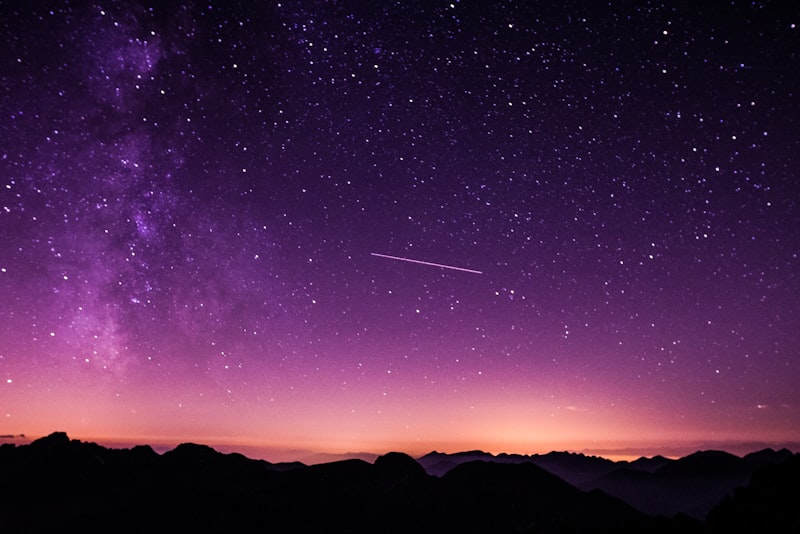
How Far Away Are the Stars Really
Starlight you see tonight may have left before you were born. Learn light-years, parallax, and how astronomers measure the staggering distances to the stars.
 Priya Anand
The library
Every guide we've published, newest first. 30 in-depth articles on focus, tools, remote work, and digital wellbeing.
Starlight you see tonight may have left before you were born. Learn light-years, parallax, and how astronomers measure the staggering distances to the stars.
Priya Anand
Our galaxy arcs overhead as a river of light from dark sites. Learn when and where the Milky Way's core rises and how to take in its full sweep.
Priya Anand

The Pleiades sparkle while globular clusters blaze with a million suns. Learn how the two cluster types differ and where to find the finest examples.
Priya Anand
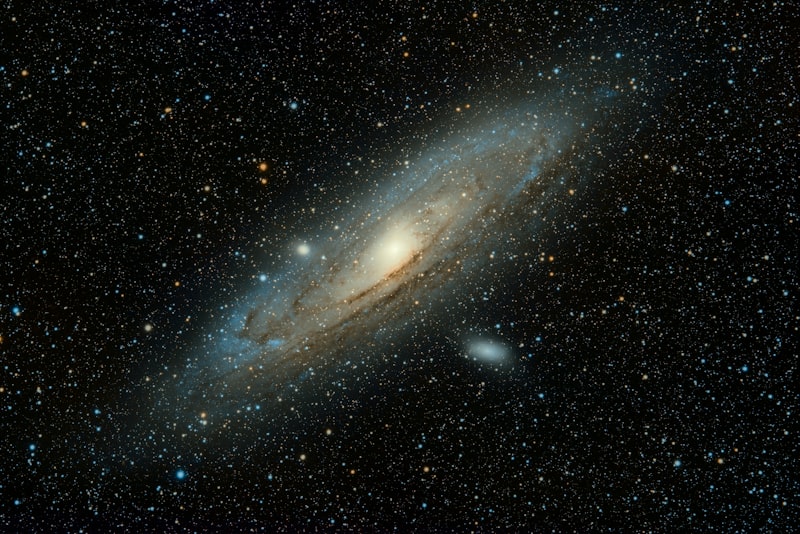
From the Orion Nebula to dying star shells, nebulae are the sky's most beautiful targets. Learn the types, what they are, and how to observe them.
Priya Anand
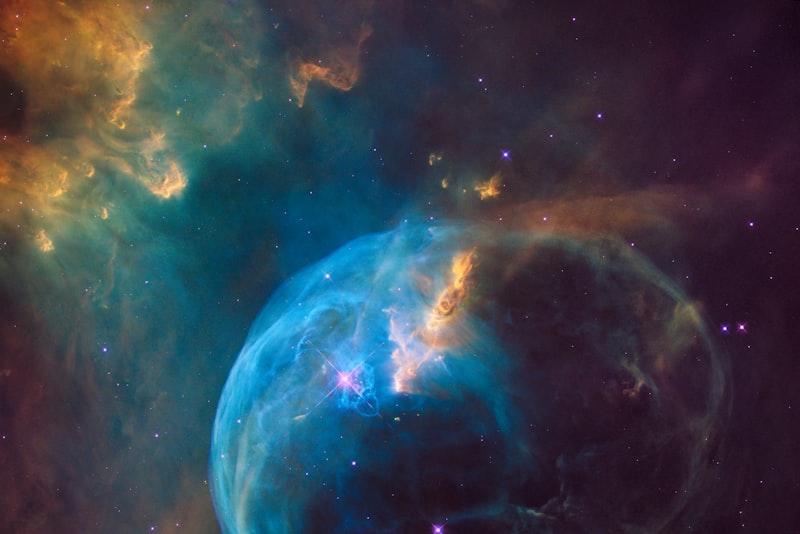
Andromeda is 2.5 million light-years away and visible to the naked eye. Learn what galaxies are, which ones you can spot, and how to find them tonight.
Priya Anand

Orion the hunter, Cassiopeia's vanity, Scorpius and its sting. The sky is a storybook. Discover the legends that named the patterns you trace each night.
Priya Anand
Bright comets and the ISS are easy wins for naked-eye watchers. Learn how to predict passes, where to look, and what a comet's tail is really made of.
Priya Anand
Never look at the Sun without proper filters. Learn certified solar film, dedicated solar scopes, and projection methods to view sunspots without risk.
 Theo Nakamura
No telescope needed. Learn the year's best showers, why the radiant matters, and how dark skies plus patience turn a quiet night into a sky full of streaks.
 Vera Lindqvist
Solar eclipses demand certified filters; lunar eclipses need only your eyes. Learn the difference, the safety rules, and how to plan for the next one near you.
Priya Anand
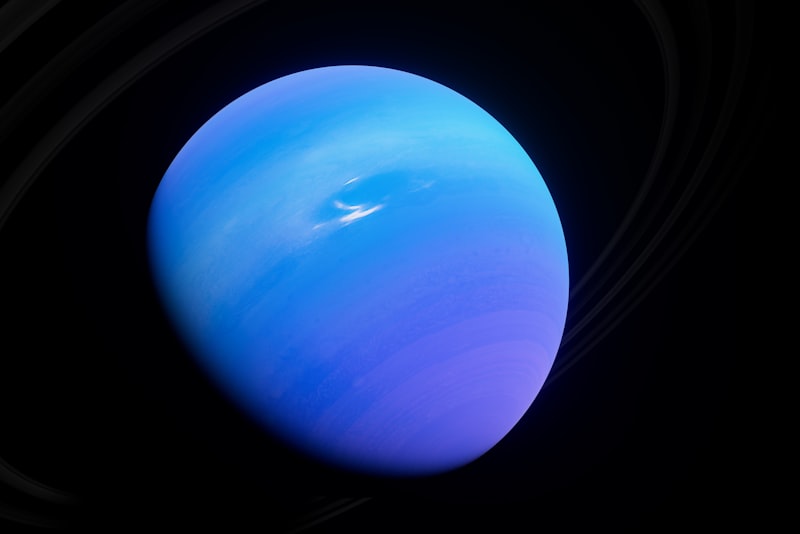
Jupiter's moons, Saturn's rings, and the phases of Venus are within reach of a modest scope. Learn where the planets hide and how to spot each one.
Vera Lindqvist

From new moon to full and back, the Moon cycles in 29.5 days. See why phases happen, what each one looks like, and which suits stargazing or moon-watching.
Vera Lindqvist

The Moon is the best target in the sky and rewards close study. Learn the terminator, top craters and seas, and why first quarter beats a full moon.
Vera Lindqvist

Dust and misaligned mirrors blur every view. Learn safe cleaning and step-by-step collimation so your telescope keeps delivering the sharp images it can.
Theo Nakamura

Aperture gathers light and focal length sets your reach. Understand these two numbers and you can read any telescope spec sheet with confidence.
Theo Nakamura

You can get a genuinely good beginner scope without overspending. Here is how to set a budget, where to spend it, and what aperture buys you at each price.
Theo Nakamura

Boxes that brag about 600x power hide flimsy mounts and useless optics. A former optics tech shows the red flags that turn a first scope into a closet ornament.
Theo Nakamura

White light blinds your dark-adapted eyes for half an hour. A red flashlight lets you read charts and adjust gear while keeping the faint sky in view.
Theo Nakamura

Eyepieces set your magnification and field of view, yet most kits ship with weak ones. Learn focal length, eye relief, and which few you actually need.
Theo Nakamura

The mount matters as much as the optics. Compare alt-azimuth and equatorial mounts so your scope tracks smoothly instead of fighting you all night.
Theo Nakamura

Refractor, reflector, or compound? Each design trades cost, size, and image quality differently. A clear breakdown so you buy the scope your sky deserves.
Theo Nakamura

Most beginners should start with binoculars, not a telescope. Here is why, what each one shows you, and how to decide which belongs in your hands first.
Theo Nakamura
It takes 30 minutes to dark-adapt and one bright screen to ruin it. Learn how the eye adjusts to darkness and the habits that keep faint stars visible.
Vera Lindqvist
The stars overhead in winter vanish by summer. Understand why the sky rotates through the year and which signpost constellations rule each season.
Vera Lindqvist

Point your phone at the sky and name what you see. A practical look at planetarium apps, what each does well, and how to use them without ruining night vision.
Vera Lindqvist

Great nights are planned, not lucky. Check moon phase, weather, and what is up, then pack a kit that keeps you warm, oriented, and observing for hours.
Vera Lindqvist

Why city skies hide the stars and how the Bortle scale rates darkness. Learn to gauge your sky, find darker sites nearby, and see far more on your next outing.
Vera Lindqvist
Once you can hop from the Big Dipper to Polaris, the rest of the sky opens up. Learn the pointer-star tricks that link bright stars into named constellations.
Vera Lindqvist
Star charts look like tangled webs until you learn the code. Here is how magnitudes, lines, and the horizon view work so you can match the map to the real sky.
Vera Lindqvist
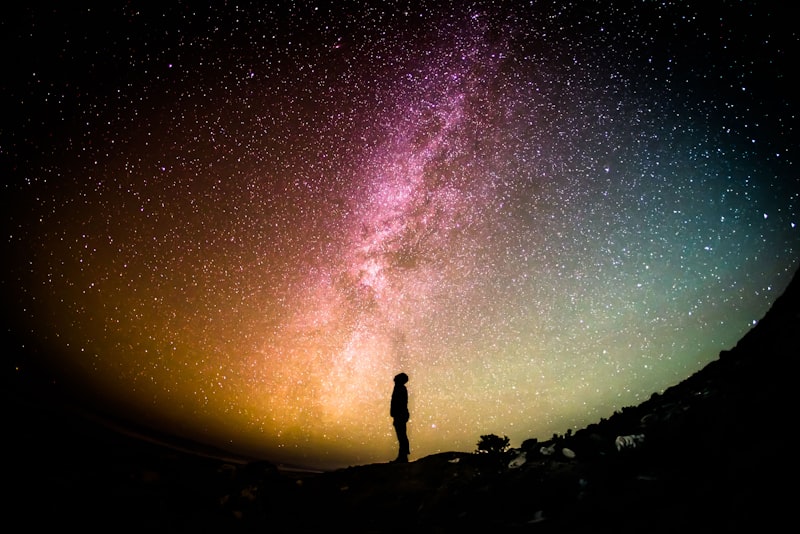
A no-gear guide to your first nights under the stars: how to dark-adapt your eyes, what to look for first, and simple habits that make the night sky readable.
Vera Lindqvist