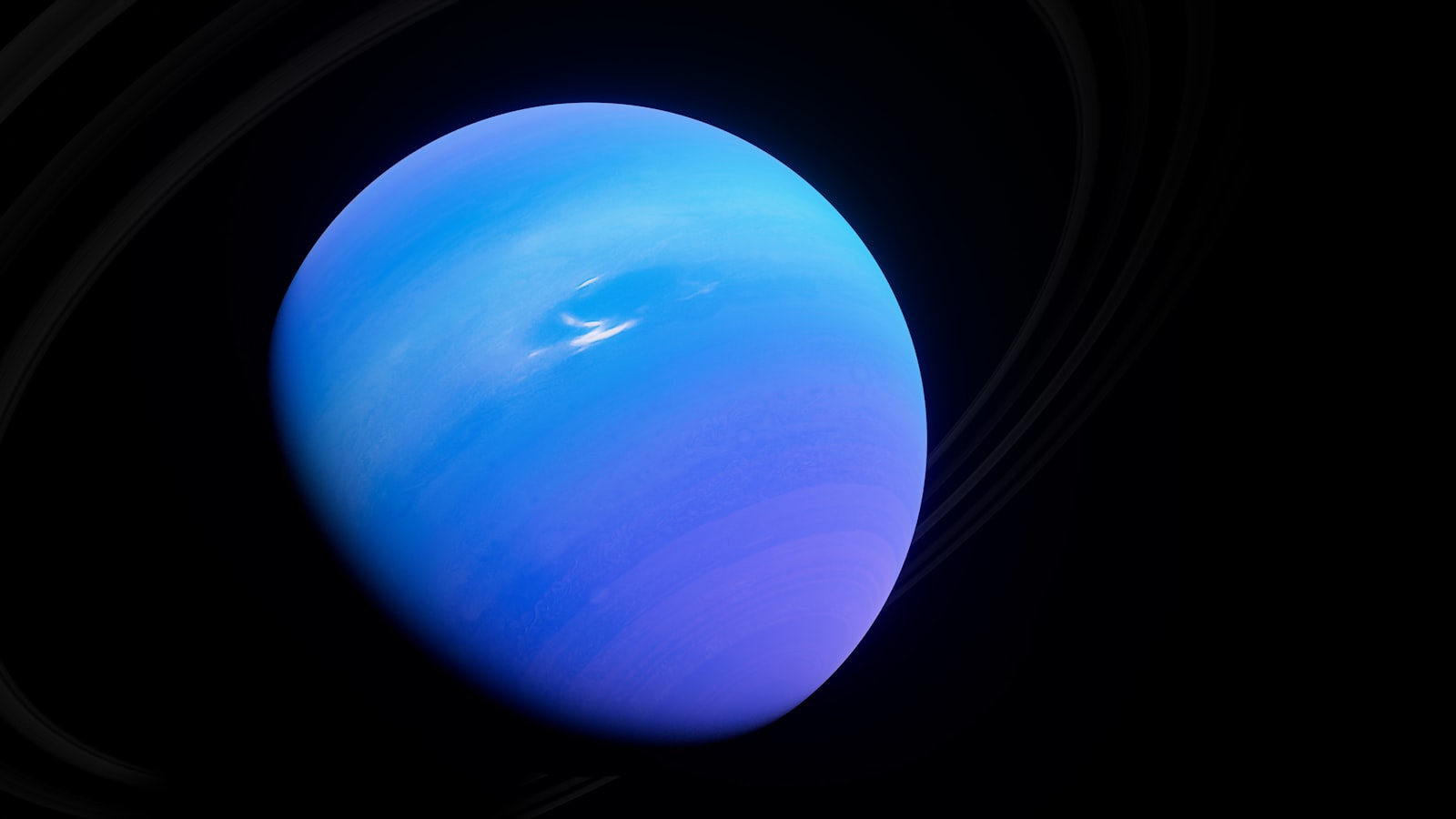
There is a particular thrill the first time you realize the bright point you have been admiring is not a star at all but another world. Jupiter, banded and flanked by tiny moons. Saturn, impossibly, wearing its rings. Venus, showing a crescent like a miniature Moon. These sights are not reserved for observatories. A modest backyard telescope, sometimes even steady binoculars, brings them into reach.
The planets are also moving targets in every sense. They drift against the fixed stars from week to week, so the brilliant object you find tonight will not be in quite the same place next month. That makes them a little more elusive than the constellations, but it also means there is always something new to track down. Here is how to find them and what each one offers when you do.
Telling a Planet From a Star#
Before a telescope ever enters the picture, you can pick out planets with your eyes. Two clues help. First, the bright planets generally do not twinkle the way stars do. A star is a pinpoint so distant that our turbulent atmosphere makes it shimmer and flash. A planet shows a tiny disc, large enough that the twinkling averages out, so it shines with a steadier, calmer light.
Second, the planets keep to a narrow lane across the sky called the ecliptic, the same path the Sun and Moon follow. If you spot a brilliant object well off that line, it is probably a star. If it sits along the arc where the Sun travels, especially near sunrise or sunset, suspect a planet. Venus and Jupiter in particular can outshine every star in the sky, so true brilliance is itself a strong hint.
A star winks at you. A planet stares back. Once you have felt that difference a few times, you can often name a bright point before you even raise the telescope.
Finding Them in the First Place#
Because planets wander, no fixed star chart can mark them permanently. The simplest modern solution is a stargazing app that shows tonight's sky and labels the planets in real time. Hold the phone up, match the pattern, and you have your target. Our roundup of the best stargazing apps for beginners covers options that do exactly this and dim themselves to a red display to protect your night vision.
If you prefer to work it out yourself, watch the twilight sky. The inner planets Mercury and Venus never stray far from the Sun, so you find them low in the west just after sunset or low in the east before dawn, never high in a midnight sky. The outer planets Mars, Jupiter, and Saturn can ride high and stay up all night when they are well placed, which is the best time to observe them.
The Highlights of Each World#
Each planet rewards you differently, and knowing what to expect keeps you from being disappointed by a small, distant disc.
- Venus shows no surface detail through its thick clouds, but it runs through phases like the Moon, from a small bright gibbous to a large slender crescent as it swings between us and the Sun. Watching that crescent change over weeks is genuinely captivating.
- Mars is small and demands patience and steady air. When it is close to Earth and the seeing is good, you can glimpse a polar cap and dark surface markings on its salmon-colored disc. Most of the time it is a tiny ruddy dot, so temper your hopes between close approaches.
- Jupiter is the crowd-pleaser. Even a small scope shows its four largest moons strung out in a line, shifting position from night to night and sometimes hour to hour. Steady the view and dark cloud belts emerge across the disc; with good optics and calm air, the Great Red Spot rotates into view.
- Saturn is the one that makes people gasp. The rings are visible in almost any telescope at modest magnification, and the sight of that tilted halo never gets old. The largest moon, Titan, shows up as a steady point nearby.
Mercury rounds out the list as a challenge. It hugs the Sun so closely that it appears only briefly in bright twilight, low to the horizon, and it too shows phases if you can catch it steady.
A safety note belongs here, because both Mercury and Venus sometimes appear close to the Sun in the sky. Never sweep a telescope or binoculars near the Sun while hunting for them in bright twilight. Accidentally catching the Sun in the field, even for an instant, can cause permanent eye damage. Wait until the Sun is fully below the horizon before you start scanning low in the twilight, and if you ever want to observe the Sun itself, do so only with a proper certified solar filter, as covered in observing the Sun safely with filters. The planets are worth the wait; your eyesight is worth far more.
Getting the Best View#
The instinct with planets is to crank up the magnification, but that often backfires. Earth's atmosphere is rarely calm enough to support extreme power, and pushing too high turns a crisp little disc into a boiling blur. Start moderate, let the image settle, and watch for the brief moments when the air steadies and detail snaps into focus. Those windows come and go second by second; reward them with your full attention.
A few habits sharpen planetary views:
- Observe when the planet is high, so you look through less turbulent air near the horizon.
- Let your telescope cool to the outside temperature before expecting its best, since warm optics make the image shimmer.
- Wait for steady nights. Paradoxically, a slightly hazy, calm sky often gives better planetary detail than a crisp, windy one.
- Keep watching. Detail on Jupiter and Mars reveals itself in flashes during the calmest instants, not in a single glance.
A colored filter or a moon filter can occasionally help tease out cloud bands or cut glare on brilliant Venus, but none of that matters as much as patient eyes and good seeing.
Keep a Planet Logbook#
The planets reward repeat visits more than almost anything else in the sky. Sketch Jupiter's moons on consecutive nights and you will watch them dance around the planet, an unmistakable demonstration of orbits in motion. Follow Venus over a couple of months and see its phase swell and thin. Track Saturn season to season and notice the tilt of its rings slowly change. None of this requires expensive gear, only the willingness to come back and look again. Find your first bright wanderer, name it, and let the sight of another world hanging in your eyepiece pull you outside on the next clear night.