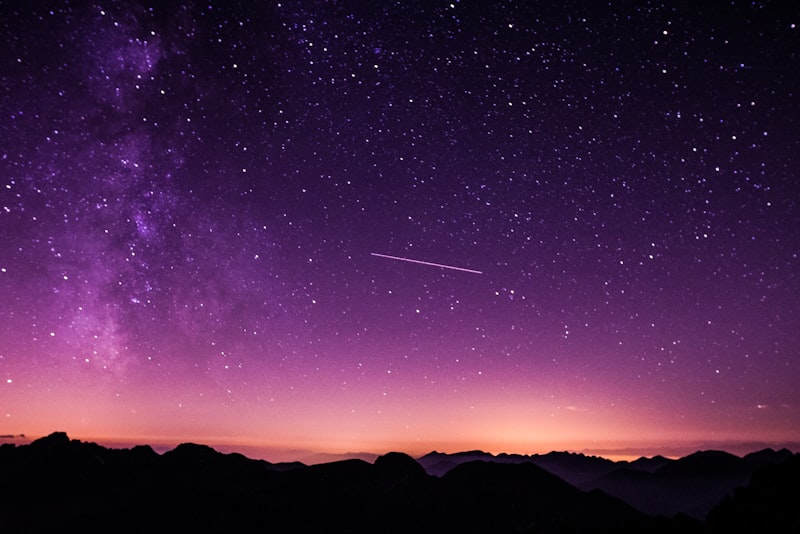
How to Spot Comets and the Space Station
Bright comets and the ISS are easy wins for naked-eye watchers. Learn how to predict passes, where to look, and what a comet's tail is really made of.
 Priya Anand
Topic
The Moon, the planets, eclipses, and the worlds in our cosmic neighborhood.
Bright comets and the ISS are easy wins for naked-eye watchers. Learn how to predict passes, where to look, and what a comet's tail is really made of.
Priya Anand
Never look at the Sun without proper filters. Learn certified solar film, dedicated solar scopes, and projection methods to view sunspots without risk.
 Theo Nakamura
No telescope needed. Learn the year's best showers, why the radiant matters, and how dark skies plus patience turn a quiet night into a sky full of streaks.
 Vera Lindqvist
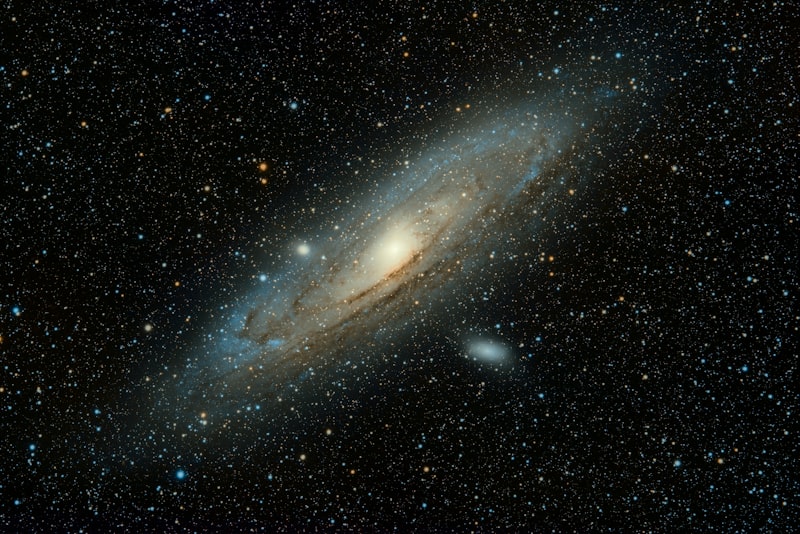
Solar eclipses demand certified filters; lunar eclipses need only your eyes. Learn the difference, the safety rules, and how to plan for the next one near you.
Priya Anand
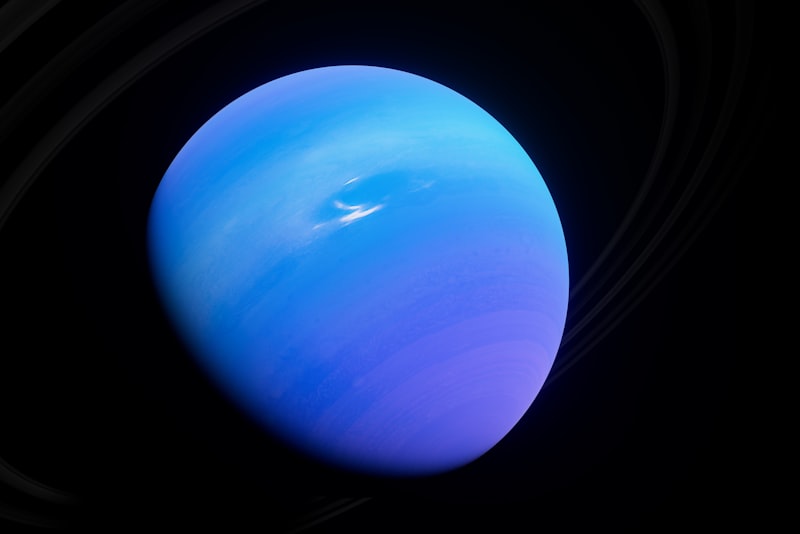
Jupiter's moons, Saturn's rings, and the phases of Venus are within reach of a modest scope. Learn where the planets hide and how to spot each one.
Vera Lindqvist
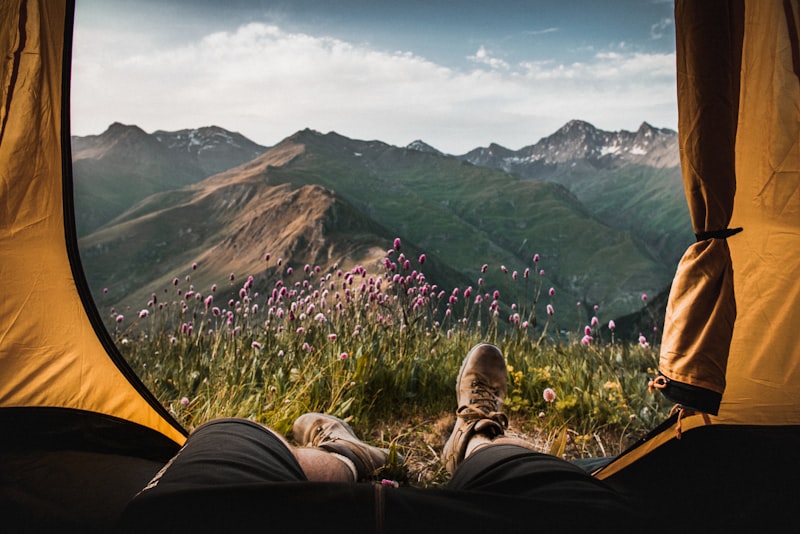
From new moon to full and back, the Moon cycles in 29.5 days. See why phases happen, what each one looks like, and which suits stargazing or moon-watching.
Vera Lindqvist

The Moon is the best target in the sky and rewards close study. Learn the terminator, top craters and seas, and why first quarter beats a full moon.
Vera Lindqvist