
How to Protect Your Night Vision Outdoors
It takes 30 minutes to dark-adapt and one bright screen to ruin it. Learn how the eye adjusts to darkness and the habits that keep faint stars visible.
 Vera Lindqvist
Topic
How to find your way around the night sky — no telescope required to get started.
It takes 30 minutes to dark-adapt and one bright screen to ruin it. Learn how the eye adjusts to darkness and the habits that keep faint stars visible.
Vera Lindqvist

The stars overhead in winter vanish by summer. Understand why the sky rotates through the year and which signpost constellations rule each season.
Vera Lindqvist

Point your phone at the sky and name what you see. A practical look at planetarium apps, what each does well, and how to use them without ruining night vision.
Vera Lindqvist

Great nights are planned, not lucky. Check moon phase, weather, and what is up, then pack a kit that keeps you warm, oriented, and observing for hours.
Vera Lindqvist

Why city skies hide the stars and how the Bortle scale rates darkness. Learn to gauge your sky, find darker sites nearby, and see far more on your next outing.
Vera Lindqvist

Once you can hop from the Big Dipper to Polaris, the rest of the sky opens up. Learn the pointer-star tricks that link bright stars into named constellations.
Vera Lindqvist

Star charts look like tangled webs until you learn the code. Here is how magnitudes, lines, and the horizon view work so you can match the map to the real sky.
Vera Lindqvist
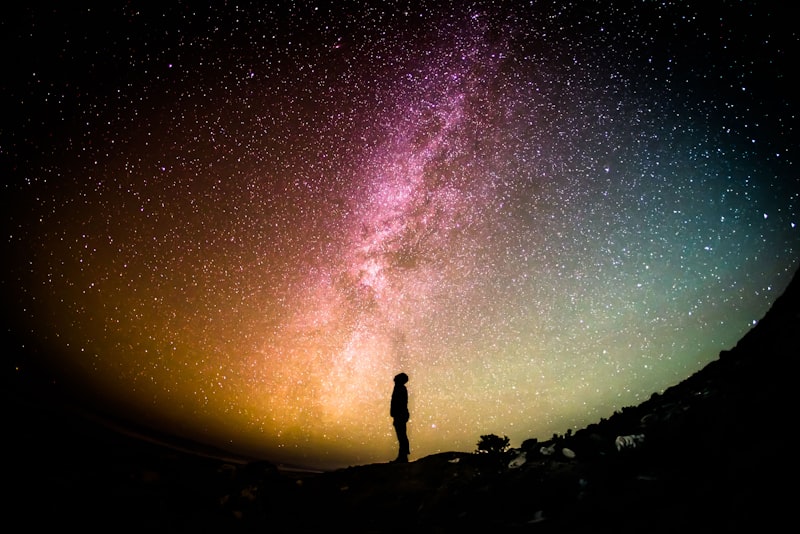
A no-gear guide to your first nights under the stars: how to dark-adapt your eyes, what to look for first, and simple habits that make the night sky readable.
Vera Lindqvist